- Microsatellite
Venus-100
Venus-100
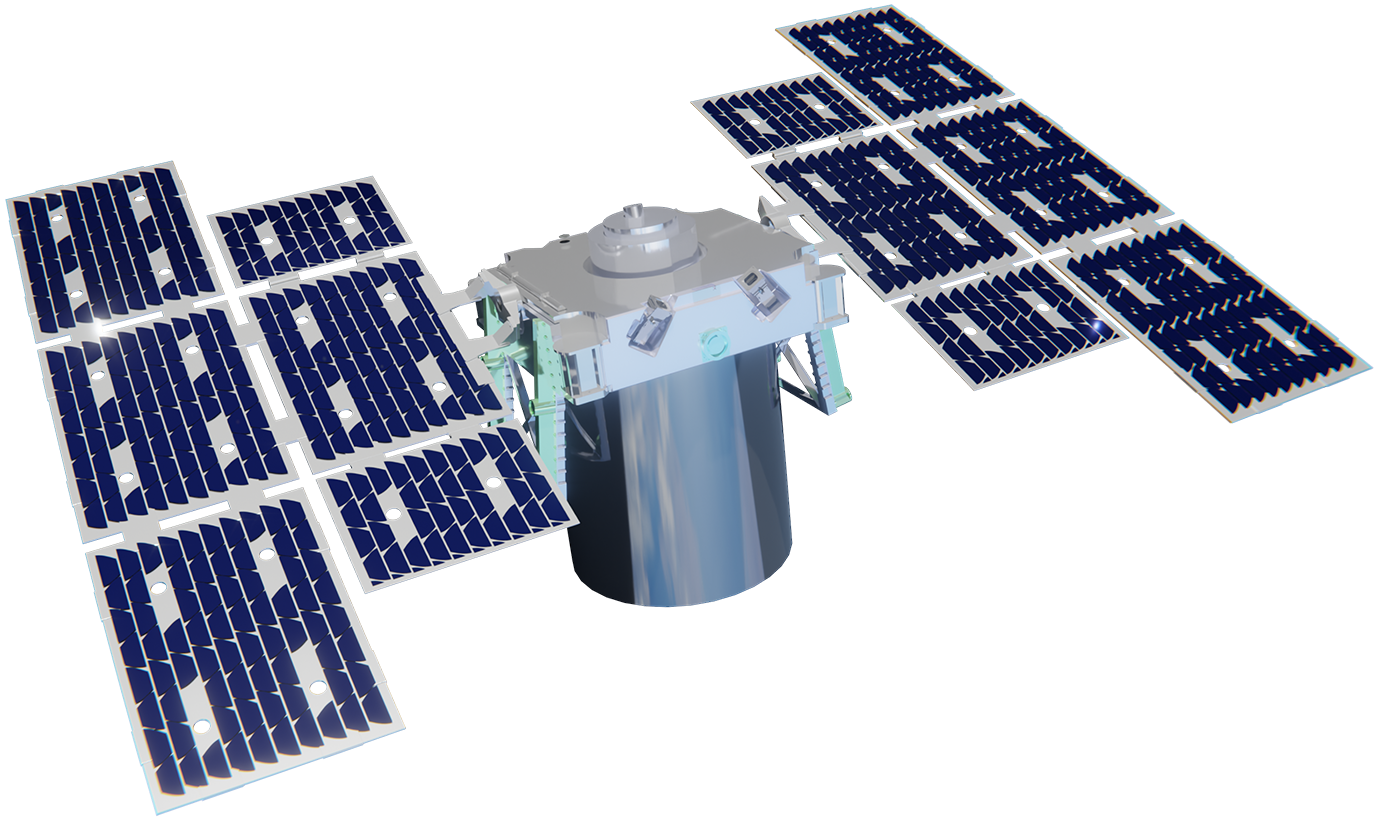
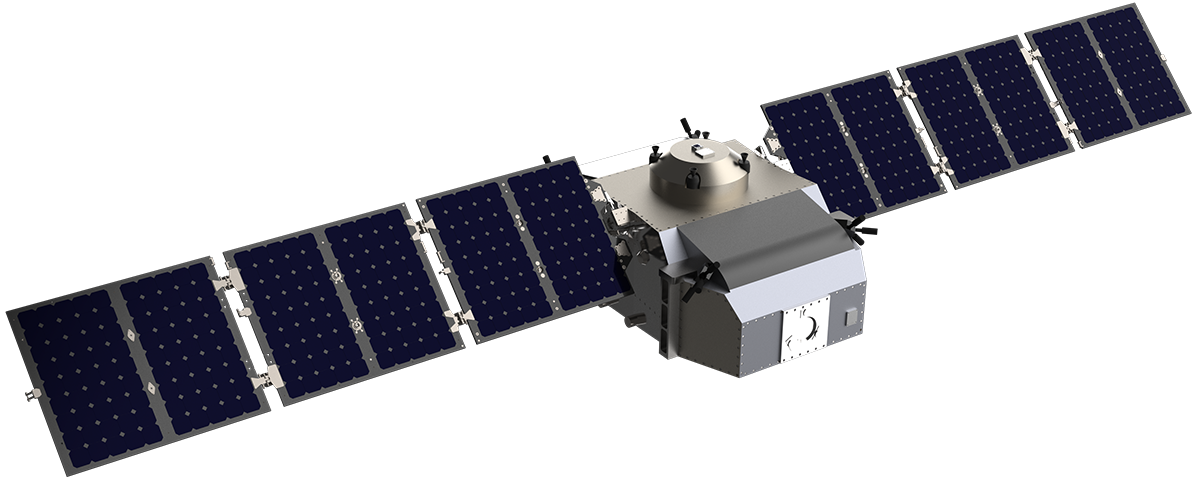
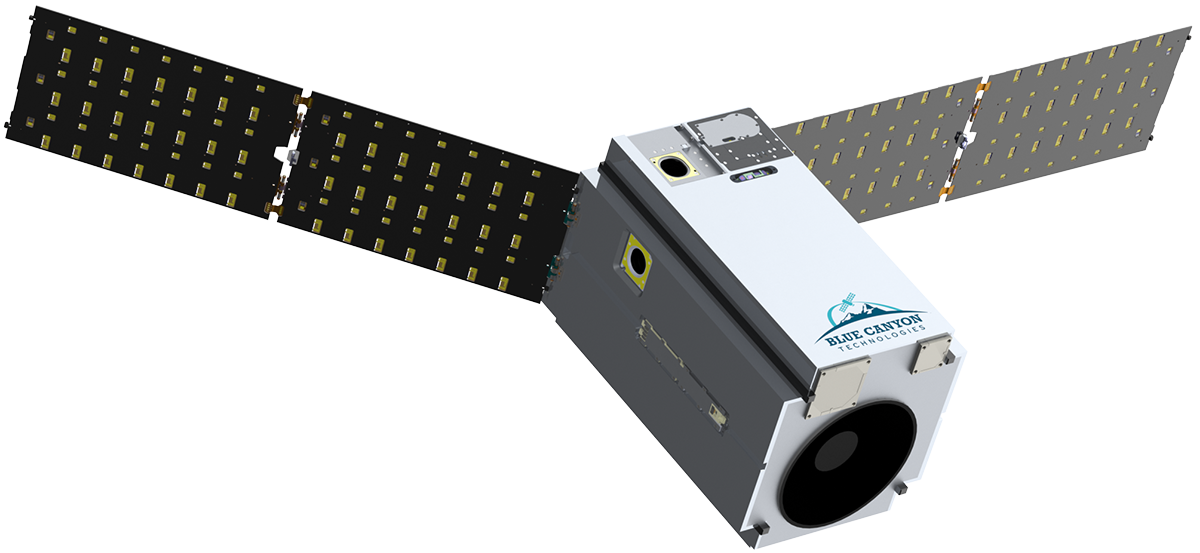
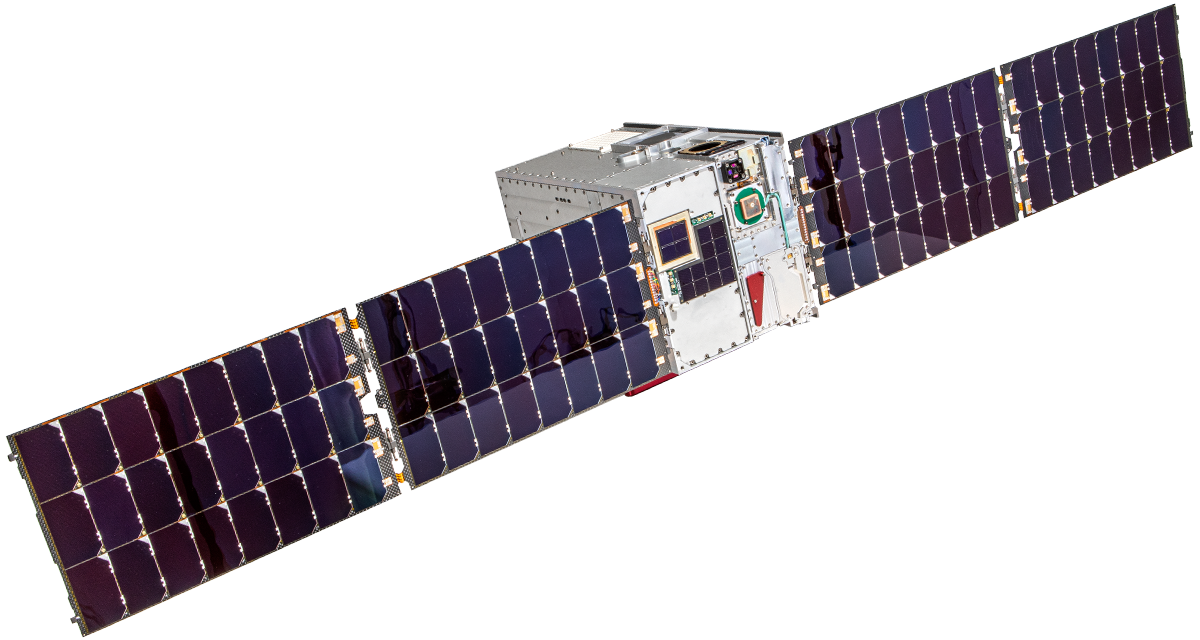
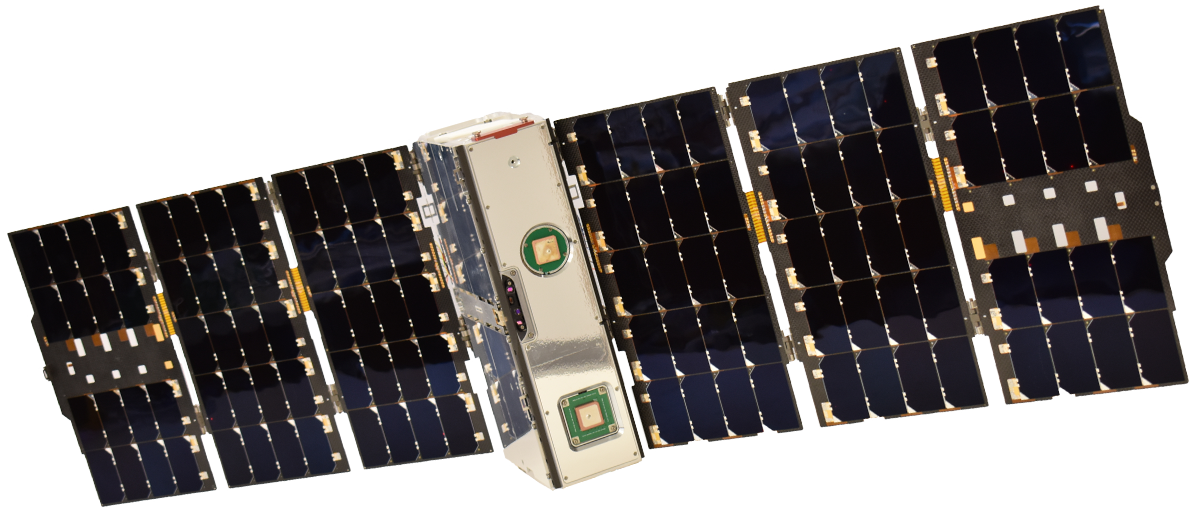
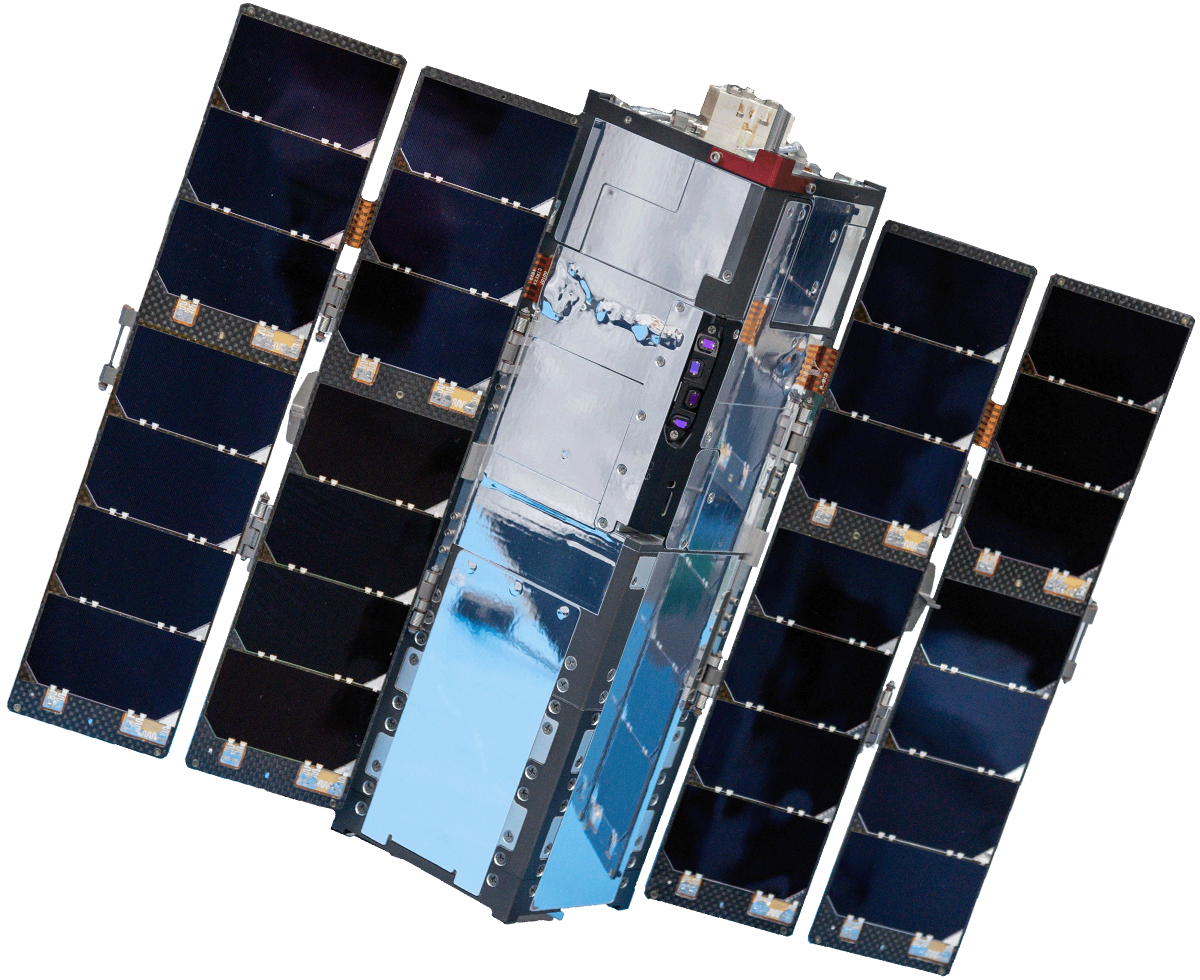
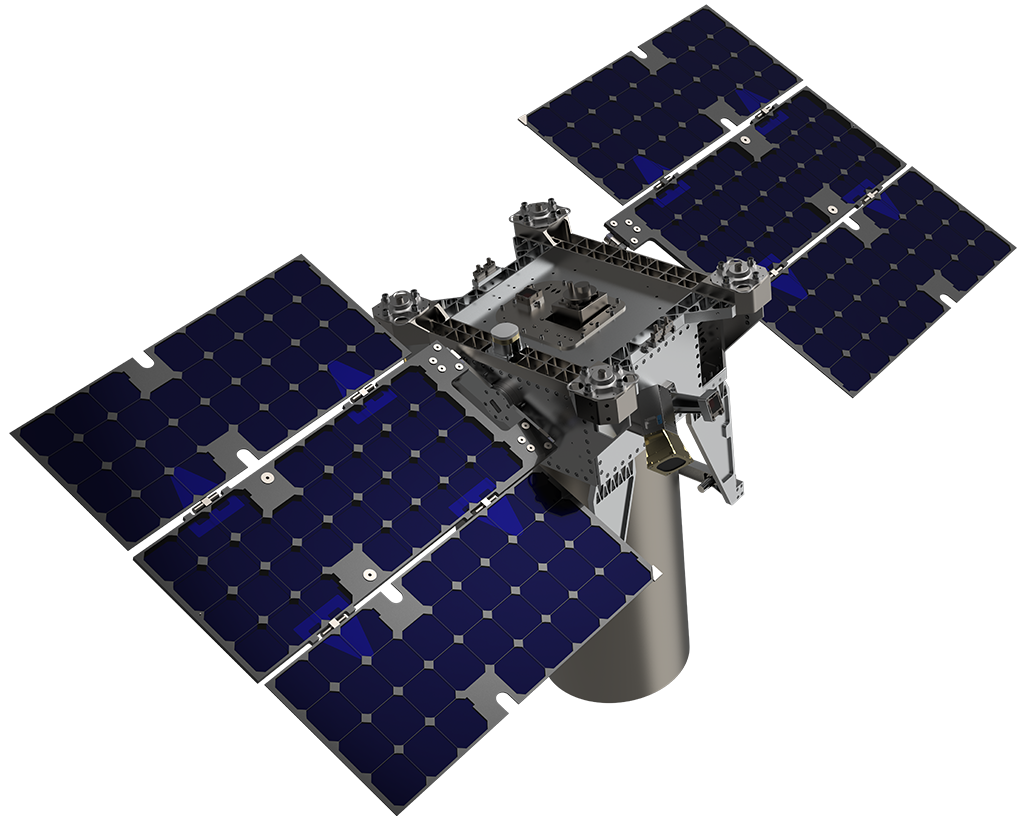
Reliable, high-performing and flight-proven, our Venus-100, ESPA-class bus platform is currently operating on-orbit, supporting diverse applications. Our suite of spacecraft solutions feature autonomous mission resume, hardware encryption on TTC radio subsystems and industry-leading guidance, navigation and control systems.
Class
ESPA-Standard or large 15” launch vehicle interface
Available Payload Volume
20.5” X 16.4” X 27.0” (1 array) or 17.0” X 16.4” X 27.0” (2 array) Larger volume available depending on launch vehicle
Pointing Accuracy
±0.002° (1-sigma), 3 axes, 2 Trackers
Orbit Altitude / Orbit Lifetime
LEO (> 5 years), GEO (> 2 years), Deep Space (> 2 years)
Real-World Missions
Proven Heritage
Units Launched
05
Units In-Work
07
Units Delivered
02
In addition to our industry-leading pointing accuracy, our customers turn to us for solutions for thermal control, guidance and navigation and mission challenges. For example, when DARPA and Northrop Grumman wanted to space-qualify a new type of Kapton membrane reflectarray antenna, they relied on us to manage the guidance and navigation challenges of controlling a large, deployable structure with a much smaller spacecraft – our Venus-100 microsatellite.
In addition, Colorado State University and NASA’s Jet Propulsion Laboratory selected our Venus-class minisatellite to better understand the complex dynamics of thunderstorms and their impact on Earth’s climate and weather models. A constellation of three Venus-100 spacecraft will fly in tandem coordination as part of the INCUS mission, each displaying a dynamic atmospheric radar and dynamic microwave radiometer measuring the atmospheric conditions of Earth.
Venus-100
- Microsatellite
Missions
-
INCUS
NASA Jet Propulsion Laboratory | Colorado State University
Objective:Provide the first tropics-wide investigation of the evolution of the vertical transport of air and water by convective storms.
Provided:Constellation of three Venus-100 buses
-
R3D2
Defense Advanced Research Projects Agency (DARPA) | Northrop Grumman
Objective:To space-qualify a new type of Kapton membrane reflect array antenna.
Provided:Venus-100 bus
-
INCUS
NASA Jet Propulsion Laboratory | Colorado State University
Objective:Provide the first tropics-wide investigation of the evolution of the vertical transport of air and water by convective storms.
Provided:Constellation of three Venus-100 buses